
Guides
Is Liquid-Plumr Bad for Your Pipes? What Homeowners Should Know
October 28, 2026
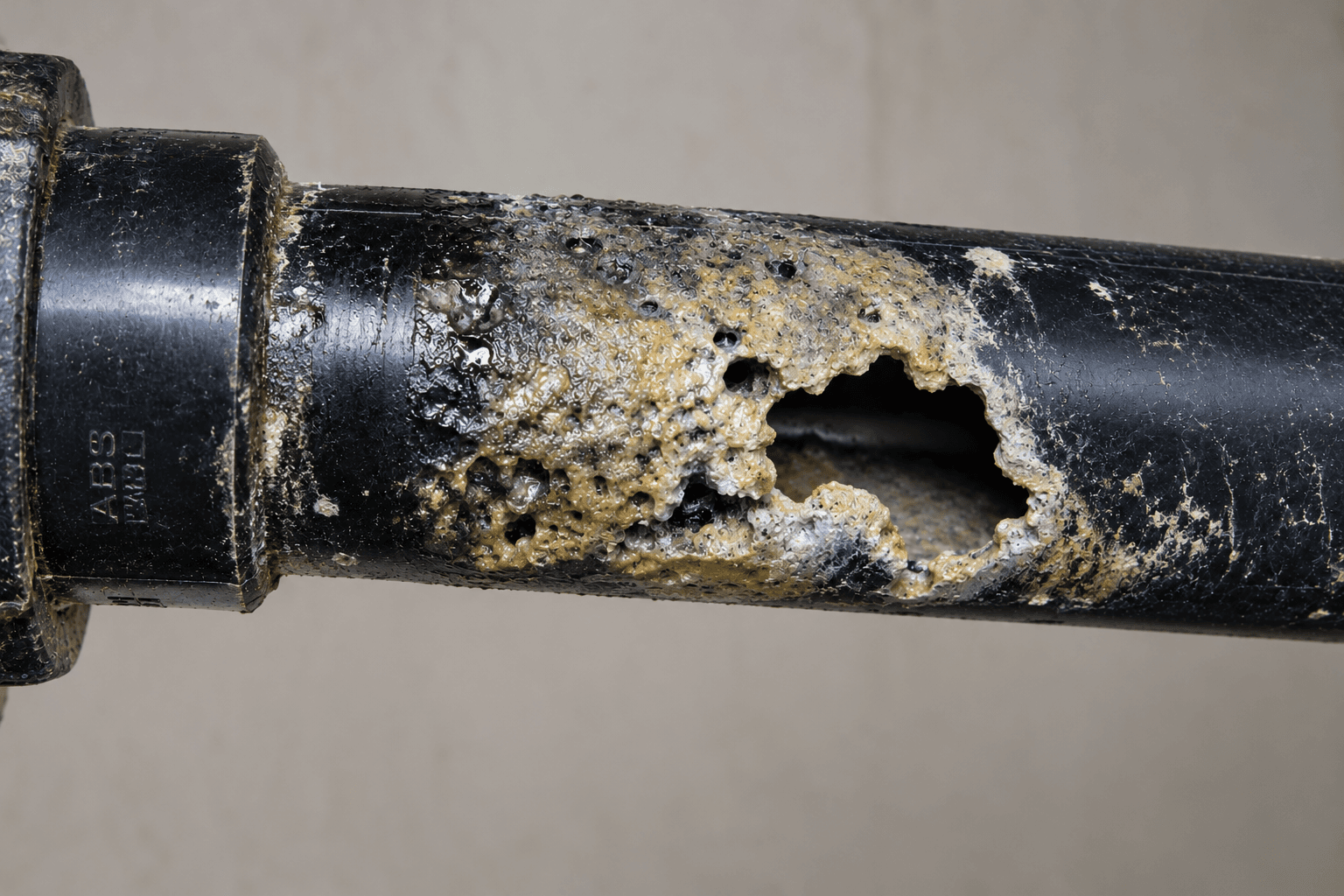
Discover the risks of Liquid-Plumr, including chemical hazards, recurring drain clogs and plumbing repair concerns. Learn safer ways to clear blocked drains.
Why Liquid-Plumr Can Be Bad for Your Plumbing
Chemical drain cleaners may promise a quick fix for clogged drains, but they can sometimes create bigger problems for your plumbing system. Products like Liquid-Plumr are designed to break down common materials that cause blockages, including hair, grease and soap buildup. However, depending on the product, the type of clog and your plumbing system, using a chemical drain cleaner can carry risks.
Before reaching for a bottle to clear a slow drain, here's what you should know about the potential downsides of Liquid-Plumr or other drain cleaners and why a professional plumber may be the better choice.
1. Harsh Chemicals Can Damage Plumbing Components
Many chemical drain cleaners contain powerful ingredients designed to dissolve organic material. Depending on the formula, these may include corrosive chemicals that generate heat or react with substances inside the drain pipe.
When used improperly, repeatedly or in unsuitable plumbing systems, these products can contribute to problems with certain pipes, seals, gaskets and other plumbing components. Older plumbing systems and damaged pipes may be particularly vulnerable.
Not every use of Liquid-Plumr will damage your pipes, and compatibility varies by product. However, using a chemical cleaner without checking the label and considering the condition of your plumbing can introduce unnecessary risks.
2. They May Not Completely Clear the Clog
One of the biggest drawbacks of chemical drain cleaners is that they don't always remove the entire blockage.
A drain may be clogged by a combination of hair, grease, soap scum, mineral deposits or other debris. A chemical cleaner might break down some of the material while leaving the underlying obstruction in place.
This can lead to a familiar cycle: the drain starts flowing again, slows down a few days or weeks later, and requires another treatment.
Repeatedly pouring drain cleaner down the same drain may not solve the underlying problem. If the blockage keeps returning, the issue may be deeper in the drain line or caused by a buildup that chemicals cannot effectively remove.
3. Chemical Reactions Can Generate Heat
Some drain cleaners work through chemical reactions that release heat. Under certain conditions, excessive heat can potentially damage vulnerable plumbing components or contribute to problems in unsuitable pipes.
The risk depends on the specific formulation, the amount used, the condition of the drain and whether the product encounters other chemicals or materials.
This is one reason it's important to follow the manufacturer's directions carefully. Never assume that using more product will produce better results.
4. Mixing Drain Cleaners Can Be Dangerous
One of the most serious risks associated with chemical drain cleaners is mixing incompatible products.
Combining drain cleaners with other household chemicals, including certain bleach-based products, acids or other cleaning agents, can cause dangerous reactions. These reactions may release toxic gases, generate excessive heat or cause corrosive liquids to splash back out of the drain.
Never mix Liquid-Plumr with another drain cleaner or household chemical. Follow the product label, and don't add another chemical treatment if the first one hasn't worked.
If a chemical cleaner has already been used, tell your plumber before they begin working on the drain. Residual chemicals can pose a burn or splash hazard during snaking or other drain-clearing work.
5. They Can Be Hazardous to Your Health
Drain cleaners are not just potentially harmful to plumbing. Depending on their ingredients, they can cause serious injuries if they contact skin or eyes, are swallowed or are inhaled as hazardous fumes.
Children and pets may be particularly vulnerable to accidental exposure.
Always store these products in their original containers, out of reach of children and pets, and follow the label's handling and protective-equipment instructions.
If exposure occurs, follow the product's first-aid instructions and contact your local poison centre or emergency services as appropriate. Do not attempt to neutralize a chemical on your skin or in your eyes with another chemical.
6. They Can Make Plumbing Repairs More Hazardous
A chemical cleaner that fails to clear a blockage can leave corrosive liquid sitting inside a drain or pipe.
If a plumber subsequently needs to remove a trap, use a drain snake or open a pipe, the remaining liquid can splash onto their skin or eyes. This creates an additional safety concern during what would otherwise be a routine repair.
If you have already used Liquid-Plumr, let your plumber know what product you used and when you applied it. Don't assume that flushing the drain has eliminated all chemical residue.
7. They Can Hide a Bigger Plumbing Problem
A recurring clog isn't always caused by something that can be dissolved with a chemical cleaner.
Common underlying issues include:
Grease buildup: Kitchen waste and fats can accumulate along the inside of drain pipes.
Hair and soap deposits: Bathroom drains can develop stubborn blockages that require mechanical removal.
Mineral scale: Hard-water deposits may restrict the inside of pipes.
Tree roots: Roots can enter damaged sewer lines and obstruct wastewater flow.
Damaged or misaligned pipes: Cracks, collapsed sections or poor pipe alignment can cause repeated blockages.
Chemical drain cleaners generally aren't an appropriate solution for structural problems such as damaged sewer pipes or tree-root intrusion.
If several drains are slow, wastewater backs up into another fixture, or clogs repeatedly return, a plumber can investigate the cause rather than treating the same symptoms over and over.
What Should You Use Instead of Liquid-Plumr?
Fortunately, there are safer and often more effective ways to address common drain clogs.
Try a plunger
A properly sized plunger can dislodge many minor blockages in sinks, tubs and toilets. Use the correct type for the fixture and follow the manufacturer's instructions.
Avoid plunging a drain containing chemical cleaner, as the liquid may splash and cause chemical burns.
Clean accessible drain components
For a bathroom sink, removing and cleaning the stopper may be enough to eliminate accumulated hair and soap residue. Some sink traps can also be cleaned mechanically if you're comfortable with the procedure and the drain has not been treated with chemicals.
Use a suitable drain snake
A hand-operated drain snake can physically break up or retrieve many common obstructions. Choose equipment appropriate for the drain and avoid forcing it through a pipe, which could cause damage.
If chemical cleaner is already in the drain, don't attempt mechanical work that could expose you to the liquid. Seek professional assistance and disclose the product used.
Call a professional plumber
If a clog persists, returns frequently or affects multiple fixtures, a professional plumber can determine what is causing the problem. Depending on the situation, the solution may involve mechanical drain cleaning, specialized equipment or a sewer camera inspection.
Addressing the actual cause can help restore proper drainage without repeatedly relying on chemical treatments.
The Bottom Line: Treat the Cause, Not Just the Symptoms
Liquid-Plumr may clear some minor clogs, but it isn't a universal solution for every plumbing problem. Depending on the formulation and how it's used, chemical drain cleaners can introduce safety risks, leave stubborn blockages unresolved and complicate subsequent repairs.
For homeowners, the best approach is to use appropriate mechanical methods for minor clogs and seek professional help when a blockage persists or returns.
A clear drain is important, but protecting the pipes behind it matters just as much. When in doubt, identifying the cause of the blockage is a better long-term strategy than repeatedly pouring chemicals down the drain. For solid long term pipe maintenance, get a Milani plumber to offer professional service and advice that you can depend on for years to come.